
Author: admin

  • International Tournaments and the Expanding Ecosystem of Global Table Tennis

    Over the past two decades, Table tennis has grown into one of the most internationally connected sports. Major tournaments regularly bring together athletes, coaches, media representatives, and supporters from across continents. As the sport continues to expand, the cities hosting these events increasingly become part of a broader global network that extends well beyond the competition halls.

    International sporting events have always had an impact on local communities. Hotels, restaurants, transportation services, and cultural venues often experience increased activity during tournament periods. For visiting players and accompanying teams, these trips are not only competitive opportunities but also occasions to experience the social and cultural environment of the host city.

    Large metropolitan centers such as London, Paris, New York, and Singapore have long served as important hubs for international sporting events. Their infrastructure, accessibility, and diverse hospitality industries make them natural destinations for global competitions. In these environments, sports events become intertwined with the wider urban ecosystem that supports international visitors.

    For many athletes, particularly those traveling across continents for the first time, participating in tournaments abroad offers a chance to engage with cultures and communities beyond the sporting arena. Even outside official match schedules, players and staff frequently explore the surrounding city, visiting local landmarks, restaurants, and entertainment districts.

    The hospitality sector plays a crucial role in facilitating these experiences. Cities that regularly host international competitions develop extensive networks of services designed to accommodate visitors with varying expectations and schedules. These services can range from traditional tourism activities to more private social arrangements that allow travelers to navigate unfamiliar environments comfortably.

    London provides a notable example of this type of metropolitan ecosystem. As one of Europeโ€™s most visited cities and a frequent host of international events, it offers an exceptionally wide range of services for international visitors. Alongside cultural institutions, sports venues, and conference facilities, the city supports a diverse hospitality sector that caters to the needs of travelers from many different backgrounds.

    In some cases, visitors also rely on discreet personal services that help them experience the city in a more informal and flexible way. Independent companionship agencies such as CharlotteAction.org operate within this broader hospitality landscape, offering private arrangements for adults seeking social company while visiting major international destinations.

    While such services exist outside the formal structures of sport, they nevertheless illustrate the complex urban environments that often surround major tournaments. International competitions rarely occur in isolation; they take place within cities whose economic and social networks support thousands of visiting guests at any given time.

    For sports organizations, understanding this broader context is increasingly important. Successful tournament planning requires cooperation between sporting bodies, local governments, venue operators, and hospitality providers. When these systems function together effectively, international competitions can become catalysts for cultural exchange and economic activity.

    Within the table tennis community, the continued expansion of international tournaments reflects the sportโ€™s growing global reach. Players from an ever-widening range of countries now participate in events that bring together diverse styles, training traditions, and competitive philosophies. This exchange strengthens not only the level of play but also the sense of community within the sport.

    Looking ahead, the role of global cities in supporting international competitions will likely continue to expand. As travel becomes more accessible and tournaments attract increasingly international audiences, the surrounding urban environments will remain an integral part of the overall experience for players and visitors alike.

    In this sense, modern table tennis competitions represent more than athletic contests alone. They are gatherings that connect communities, cultures, and cities across the world, highlighting the sportโ€™s unique ability to bring people together within a shared global stage.
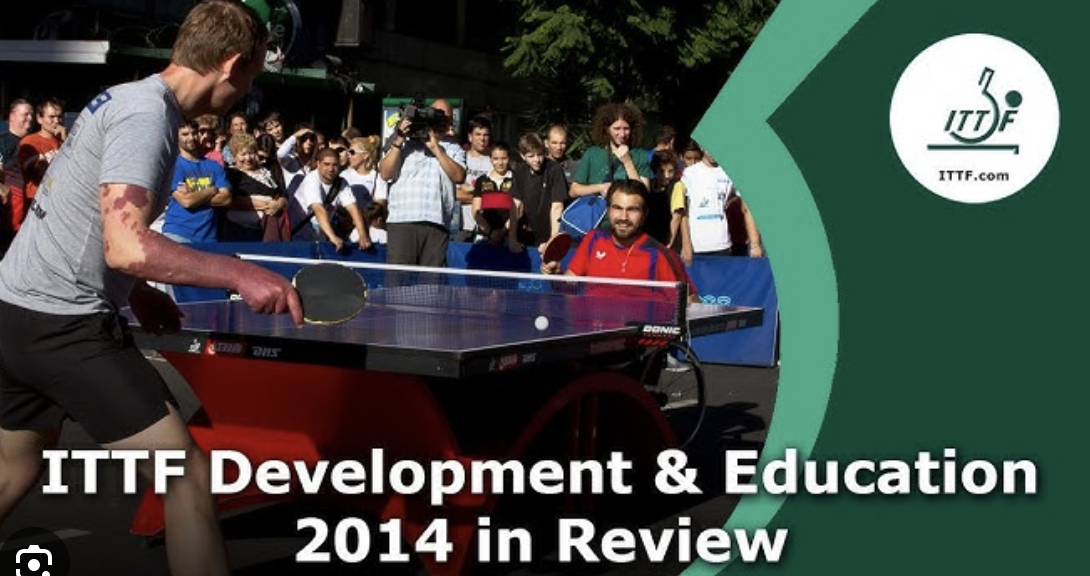
  • Regional Training Programs Strengthen Table Tennis Community

    Regional training programs are playing an increasingly important role in strengthening the table tennis community throughout North America. These initiatives bring together players from different cities and clubs to participate in shared training sessions, coaching workshops, and technical seminars.

    Unlike traditional club training, regional programs allow athletes to interact with a wider pool of players and coaches. This exposure helps participants improve their tactical understanding of the game while also encouraging collaboration between different sporting communities.

    Many of these programs are supported by local sports associations and volunteers who work to expand access to table tennis facilities. Weekend training camps, for example, provide structured environments where players can focus on skill development while building relationships with other athletes in the region.

    In addition to athlete training, several programs also include coaching development workshops. These sessions help coaches exchange knowledge about modern training techniques, sports science, and youth engagement strategies.

    Such initiatives contribute to the long-term sustainability of table tennis development across the continent. By strengthening regional cooperation and sharing expertise, the sport continues to grow beyond major urban centers and reach new communities.

  • Youth Table Tennis Development Expands Across North America

    Youth Table Tennis Development Expands Across North America

    The development of youth table tennis programs across North America has seen steady progress over the past several years. Regional initiatives aimed at introducing the sport to younger audiences have gained momentum through partnerships with schools, community centers, and local sports clubs.

    Across several cities, new training programs are being launched to encourage early participation in table tennis. These programs focus not only on competitive training but also on the educational and social benefits that sport can offer to young players. Coaches involved in these initiatives emphasize discipline, coordination, and teamwork as key elements of development.

    Several regional associations have also begun organizing introductory tournaments for junior players. These events provide young athletes with their first experience of competitive play in a supportive and structured environment. Early exposure to competition helps build confidence and allows coaches to identify promising talent for more advanced training pathways.

    The International Table Tennis Federationโ€™s broader development framework continues to influence many of these programs. According to the ITTF Development Program, grassroots initiatives are essential to expanding the global reach of table tennis and strengthening national federations.

    As these youth initiatives continue to expand, organizers hope that the next generation of players will emerge from community programs that emphasize both sporting excellence and accessibility.

  • North American Ranking Circuit Announces Updated Qualification Framework for 2026 Season

    North American Ranking Circuit Announces Updated Qualification Framework for 2026 Season

    Framework for 2026 Season

    The North American table tennis ranking circuit will operate under a revised qualification structure for the 2026 competitive season, following consultation between regional associations and development committees.

    The updated framework introduces standardized point allocation models, clearer seeding transparency, and refined qualification pathways for continental-level events.

    Standardized Ranking Allocation

    Under the revised system, ranking points will be distributed based on tournament tier, draw size, and verified match reporting protocols. This adjustment is intended to create greater consistency between events hosted in different regions.

    Organizers have confirmed that:

    • Tier classification criteria will be published before the season launch
    • Match reporting deadlines will be strictly enforced
    • Ranking updates will follow a fixed publication calendar

    This structural clarity is designed to provide athletes and coaches with predictable progression benchmarks.


    Transparent Qualification Pathways

    A key component of the new framework involves clearer qualification routes for major continental competitions.

    Athletes will now be able to qualify through:

    • Direct ranking placement
    • Regional championship results
    • Youth performance pathways
    • Wildcard allocations under defined criteria

    The aim is to balance merit-based qualification with developmental opportunity.

    According to officials involved in the update process:

    โ€œTransparency is essential for athlete confidence. We want competitors to understand exactly how progression works.โ€


    Technology and Data Reporting Improvements

    The 2026 season will also see the implementation of upgraded digital match verification systems. These systems will allow:

    • Faster ranking updates
    • Improved data integrity
    • Reduced administrative discrepancies

    Tournament directors are expected to receive updated reporting protocols before the end of the current quarter.


    Regional Balance and Growth

    The revised ranking structure also reflects a broader strategic objective: equitable representation across North American regions.

    By aligning event criteria and strengthening verification procedures, the federation seeks to support long-term growth while preserving competitive fairness.

    Further details regarding the 2026 calendar will be published once regional hosting confirmations are finalized.

  • International Table Tennis Development Initiative Expands Across North America

    International Table Tennis Development Initiative Expands Across North America

    Table Tennis

    The International Table Tennis Federationโ€™s North American initiative has entered a new phase of regional development, with expanded programming, structured youth pathways, and enhanced collaboration between national associations across the continent.

    The initiative, which focuses on long-term athlete development, grassroots growth, and event standardization, aims to strengthen the competitive framework throughout North America while increasing accessibility to organized table tennis at all levels.

    Structured Growth Across Member Associations

    Over the past year, participating associations have implemented updated development guidelines aligned with international standards. These include:

    • Expanded junior training programs
    • Coaching certification updates
    • Regional ranking event integration
    • Talent identification camps

    The objective is not merely to increase participation, but to establish consistent progression pathways for athletes from grassroots entry to elite competition.

    A representative of the development committee stated:

    โ€œSustainable growth depends on structured systems. Our priority is ensuring athletes across North America have equal access to professional coaching environments and competitive opportunities.โ€


    Event Calendar Modernization

    One of the major steps in the expansion includes coordination of a unified continental event calendar. By aligning ranking tournaments, training camps, and qualification events, the initiative seeks to reduce scheduling conflicts while maximizing player exposure.

    Digital infrastructure upgrades are also being implemented, including improved event reporting systems and centralized ranking data management.

    These changes are expected to increase transparency and provide clearer performance tracking for athletes, coaches, and federations alike.


    Youth and Grassroots Development

    Special focus has been placed on youth participation.

    Community outreach programs in multiple regions have introduced table tennis into schools and recreational centers, creating structured introductory programs designed to identify emerging talent early.

    Grassroots development is considered essential to long-term sustainability. Rather than concentrating solely on elite performance, the initiative emphasizes broad base participation.

    The long-term framework includes:

    • Regional youth circuits
    • Scholarship pathways
    • Coaching mentorship programs
    • Cross-border training exchanges

    Commercial and Strategic Partnerships

    The North American initiative is also exploring structured commercial partnerships aimed at supporting infrastructure improvements and tournament growth.

    Unlike sponsorship-driven models focused solely on event branding, the current approach prioritizes development investment in facilities, coaching education, and youth programming.

    Discussions are ongoing with multiple stakeholders to ensure financial sustainability without compromising the federationโ€™s development objectives.


    Digital Integration and Communication

    Modernization efforts include the implementation of centralized communication platforms to enhance collaboration between associations.

    The development committee has identified digital engagement as a priority area moving forward, with plans to introduce:

    • Structured performance reporting
    • Online coaching seminars
    • Athlete tracking systems
    • Digital community updates

    This shift reflects a broader global trend toward data-driven sports administration.


    Long-Term Outlook

    The expansion of the North American initiative marks a step toward long-term structural consistency across the continent.

    While measurable outcomes such as ranking performance and participation growth will take time to evaluate fully, the foundation for coordinated development has been significantly strengthened.

    Continued collaboration between national associations, regional organizers, and development partners remains central to the initiativeโ€™s future trajectory.

    Further updates regarding upcoming events and development programs will be announced in the coming months.