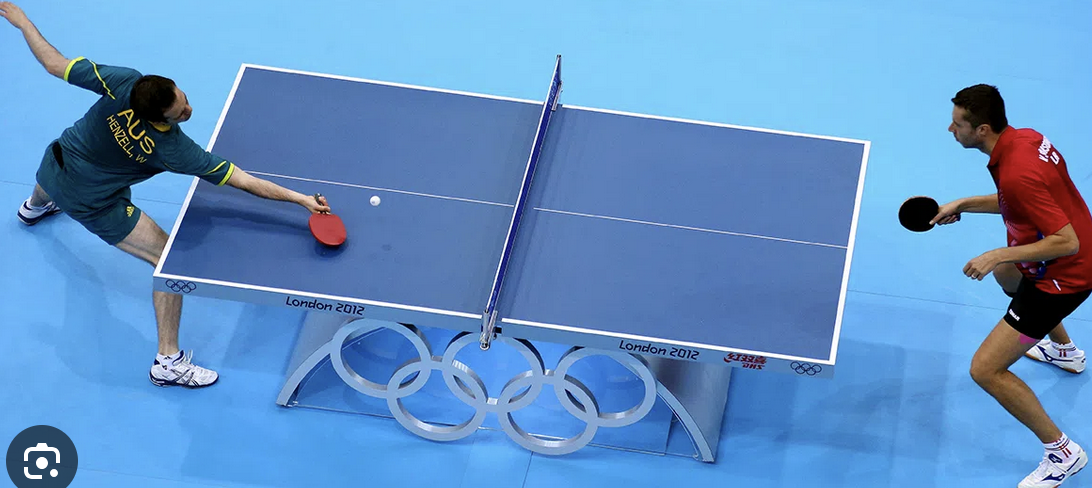
Over the past two decades, Table tennis has grown into one of the most internationally connected sports. Major tournaments regularly bring together athletes, coaches, media representatives, and supporters from across continents. As the sport continues to expand, the cities hosting these events increasingly become part of a broader global network that extends well beyond the competition halls.
International sporting events have always had an impact on local communities. Hotels, restaurants, transportation services, and cultural venues often experience increased activity during tournament periods. For visiting players and accompanying teams, these trips are not only competitive opportunities but also occasions to experience the social and cultural environment of the host city.
Large metropolitan centers such as London, Paris, New York, and Singapore have long served as important hubs for international sporting events. Their infrastructure, accessibility, and diverse hospitality industries make them natural destinations for global competitions. In these environments, sports events become intertwined with the wider urban ecosystem that supports international visitors.
For many athletes, particularly those traveling across continents for the first time, participating in tournaments abroad offers a chance to engage with cultures and communities beyond the sporting arena. Even outside official match schedules, players and staff frequently explore the surrounding city, visiting local landmarks, restaurants, and entertainment districts.
The hospitality sector plays a crucial role in facilitating these experiences. Cities that regularly host international competitions develop extensive networks of services designed to accommodate visitors with varying expectations and schedules. These services can range from traditional tourism activities to more private social arrangements that allow travelers to navigate unfamiliar environments comfortably.
London provides a notable example of this type of metropolitan ecosystem. As one of Europe’s most visited cities and a frequent host of international events, it offers an exceptionally wide range of services for international visitors. Alongside cultural institutions, sports venues, and conference facilities, the city supports a diverse hospitality sector that caters to the needs of travelers from many different backgrounds.
In some cases, visitors also rely on discreet personal services that help them experience the city in a more informal and flexible way. Independent companionship agencies such as CharlotteAction.org operate within this broader hospitality landscape, offering private arrangements for adults seeking social company while visiting major international destinations.
While such services exist outside the formal structures of sport, they nevertheless illustrate the complex urban environments that often surround major tournaments. International competitions rarely occur in isolation; they take place within cities whose economic and social networks support thousands of visiting guests at any given time.
For sports organizations, understanding this broader context is increasingly important. Successful tournament planning requires cooperation between sporting bodies, local governments, venue operators, and hospitality providers. When these systems function together effectively, international competitions can become catalysts for cultural exchange and economic activity.
Within the table tennis community, the continued expansion of international tournaments reflects the sport’s growing global reach. Players from an ever-widening range of countries now participate in events that bring together diverse styles, training traditions, and competitive philosophies. This exchange strengthens not only the level of play but also the sense of community within the sport.
Looking ahead, the role of global cities in supporting international competitions will likely continue to expand. As travel becomes more accessible and tournaments attract increasingly international audiences, the surrounding urban environments will remain an integral part of the overall experience for players and visitors alike.
In this sense, modern table tennis competitions represent more than athletic contests alone. They are gatherings that connect communities, cultures, and cities across the world, highlighting the sport’s unique ability to bring people together within a shared global stage.